
From platform updates to growth strategies, our blog shares valuable insights tailored for brands looking to grow in competitive digital markets.
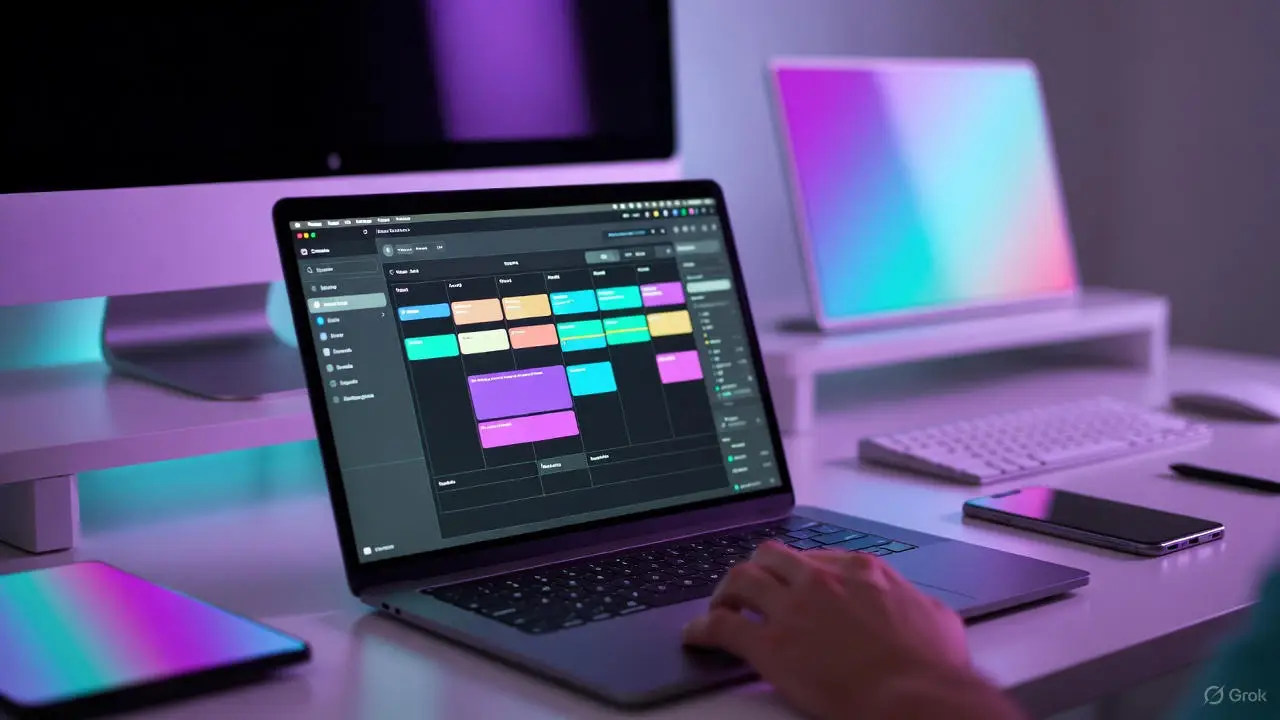
Creating content daily is no longer optional—it's a requirement for brands competing in today’s fast-paced social media environment. But posting every day doesn’t mean grinding nonstop or burning out in the process. The real key is strategic scheduling, where systems handle the workload instead of you creating content last-minute.Daily posting works because it trains audiences to expect regular content, builds algorithmic momentum, and increases touchpoints that drive trust. However, most creators quit not due to lack of ideas, but because they lack structure. Silos of inspiration don’t scale; frameworks do.One of the most effective methods is batch-creating content. Instead of recording one Reel a day, record eight in a single session and schedule them across the week. This reduces cognitive load, eliminates daily editing stress, and ensures a steady pipeline of posts even when motivation drops. Pair this with a content calendar so your weekly distribution has direction—not randomness.Modern tools also make consistency easier. AI tools assist in writing captions, generating hooks, repurposing long videos into shorts, and even automating posting across platforms. This doesn’t just save time—it ensures your brand shows up even on days you're offline. Tools like Buffer, Notion, and repurposing platforms help streamline multi-platform scheduling without manual effort.Consistency doesn’t mean posting everything yourself. If you have long-form content, break it into micro-clips. If you host podcasts, convert them into carousels. A single video can produce 10–15 pieces of content, maximizing output without extra recording time. Creators who thrive in 2025 aren’t working harder—they’re working smarter. Finally, remember that rest is part of productivity. The goal of scheduling isn’t to become a machine—it’s to stay human while scaling your presence. Consistency becomes effortless when systems carry the weight and creativity flows without pressure.
Micro-influencers are reshaping the creator economy in 2025, and brands are quickly shifting their focus from expensive celebrity endorsements to creators with smaller but more committed audiences. Instead of chasing massive reach, marketers are prioritizing trust and engagement—two areas where micro-influencers excel. With follower ranges typically between 10,000–100,000, these creators bring a balance of quality, affordability, and authenticity.One of the biggest advantages micro-influencers offer is stronger audience relationships. Their followers see them as relatable, approachable, and credible, which leads to higher engagement rates than macro-influencers. While celebrities create aspirational content, micro-influencers create content that feels achievable and personalized—resulting in more comments, shares, and conversions.From a strategic standpoint, brands gain more value per dollar spent. Instead of paying one large creator for a single campaign, marketers can collaborate with five or ten micro-influencers and reach diverse communities across regions and niches. This distributed approach increases content volume and multiplies brand touchpoints, driving more organic visibility.Micro-influencers are also powerful catalysts for UGC (User-Generated Content). Their content blends seamlessly into platforms like TikTok and Instagram Reels, helping brands participate in trends faster and with more authenticity. Since audiences trust peer voices more than polished advertisements, this leads to higher click-through rates and improved sales performance.For brands looking to get started, the key is to identify influencers whose values align with their product or mission. Rather than focusing on follower count, brands should evaluate engagement rates, comment sentiment, and consistency of content. Long-term partnerships also work better than one-off posts because they reinforce credibility through repeated exposure. The future of influencer marketing is shifting from mass influence to micro-communities, where smaller voices drive bigger impact. In 2025, brands that partner with authentic, niche-focused creators will outperform those relying solely on large-scale influencer deals.
Social media is evolving faster than ever, and 2025 is set to introduce major shifts in how brands create content, reach audiences, and generate engagement. With algorithm changes, AI-powered tools, and a shift toward authenticity, businesses must adapt or get left behind. This year, the biggest growth will come from brands that build genuine connections, produce video-first content, and prioritize community-driven marketing.One of the biggest trends is the rise of AI-generated content. Brands are increasingly using AI tools not just for editing but also for generating reels, writing captions, automating designs, and repurposing long videos into multiple short-form pieces. Instead of replacing human creativity, AI is becoming a tool that speeds up production, allowing marketers to produce consistent, high-quality content faster and more affordably.Another major shift is the move toward community-first branding. People trust peer recommendations and real voices more than polished ads, which is why micro-communities, WhatsApp channels, and private Discord groups are gaining traction. Brands that focus on building communities rather than collecting random followers will see higher engagement and long-term loyalty.At the same time, organic reach is continuing to decline across platforms. Instagram and TikTok prioritize content that keeps users on the app longer, and LinkedIn is tightening algorithm filters to fight spam. As a result, brands are now combining content strategy with paid promotion to maintain visibility. The key is not posting more, but posting strategically—high-value content that hooks viewers, solves problems, and encourages shares.Video continues to dominate, especially when short-form and long-form content are used together. Short reels help brands get discovered, while long-form videos on YouTube and LinkedIn build trust and authority. Creators who repurpose long videos into multiple short clips will grow significantly faster than those who rely on static posts or single-format content.Influencer marketing is also shifting from mega-celebrities to micro and nano creators. Their content feels more authentic, costs less, and delivers better engagement. Instead of spending budgets on one big name, brands are collaborating with multiple smaller influencers for higher impact per dollar. “2025 won’t be about going viral—it will be about building loyal communities who amplify your message.” Overall, success in 2025 will come from adopting AI as a creative partner, investing in community engagement, prioritizing short-form video, and building trust through authentic voices. The brands that adapt early will lead the next wave of digital growth.
Video content has become the most powerful form of digital communication—and in 2025, it continues to dominate. From Instagram Reels to TikTok trends and YouTube micro-documentaries, audiences consume visual stories at a pace no other media format can match. With shrinking attention spans and rapidly evolving social platforms, brands relying only on static content are losing visibility, engagement, and audience loyalty.Video holds user attention significantly longer than images or text-based posts. Viewers are more likely to watch videos to the end, remember the message, and engage through shares and comments. Video humanizes brands through face-to-face communication and delivers information quickly while triggering emotional responses that strengthen recall. This content format also aligns perfectly with TikTok- and Reels-first consumption behavior, where short-form video remains the default viewing style.Most social media algorithms actively prioritize videos, especially short-form content. Since videos boost session duration and engagement, platforms push them higher in feeds and explore pages. Instagram favors Reels due to viral sound trends, TikTok performs best with ultra-short discovery-driven clips, YouTube balances storytelling through long-form content alongside Shorts, and LinkedIn prioritizes educational or professional clips that position users as industry authorities. The result is higher reach, visibility, and impressions for brands adopting a video-first strategy.Video is not just an engagement tool—it drives conversions. Seventy percent of consumers make a purchase after watching a product video, and brands running video ads often see two to three times higher ROAS compared to static banners. Authentic, user-generated content outperforms polished commercial creatives because audiences trust real experiences over scripted advertising. By blending storytelling with trust, video accelerates brand-customer relationships more effectively than any other format.In 2025, several video formats are leading growth: UGC testimonial videos for social proof, AI-generated explainers for fast scalable production, viral sound-based Reels for rapid reach, personal branding videos to grow community authority, and short educational snippets that drive high saves and retention. These formats help brands reach wider audiences while maintaining authenticity and consistency.Getting started with video does not require high production setups. Brands can begin by recording simple mobile clips, repurposing long videos into multiple short formats, using strong hooks in the first three seconds, posting consistently to strengthen algorithm performance, and monitoring metrics such as watch time, saves, shares, and retention. These signals influence how platforms distribute content.The future of video lies in AI-powered tools and personalized content. Automated editing software, generative avatars, and voice cloning are making production faster, while recommendation algorithms personalize videos based on user behavior. This shift will increase relevance, conversion rates, and scalability, making video an essential pillar of brand marketing.Brands adopting a video-first approach in 2025 will lead in visibility, engagement, and customer trust. The question is no longer whether video content should be part of a strategy—it’s how quickly brands can scale it.

Empowering brands to scale digitally through strategic social campaigns, targeted visibility, and data-driven growth solutions.
Copyright ©2025 Kruzby Digital Media | All Rights Reserved.


https://kruzby.com/
Install Progressive Web Application
This site has app functionality. Install it on your device for extensive experience and easy access.